

 En Español
Restaurant Slip and Fall Accidents in Ventura: Ice, Grease, and Spills
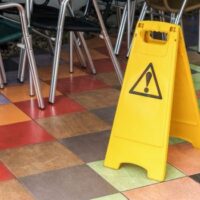
Ice scattered near a soda fountain. Grease tracked from the kitchen into a walkway. A spilled drink left beside a table during the lunch rush. Restaurant floor hazards can be difficult to see, and a sudden fall can leave a customer dealing with a fractured wrist, a hip injury, or a concussion.
If you were injured in a restaurant slip and fall in Ventura, you may be wondering whether the restaurant is responsible for your medical bills and other losses. The answer depends on how the dangerous condition developed, what the restaurant knew or should have known, and whether its failure to use reasonable care contributed to your injuries.
When Is a Restaurant Responsible for a Slip and Fall?
Under California Civil Code section 1714(a), restaurants generally must use reasonable care in managing their premises. That includes reasonably inspecting customer areas and addressing dangerous conditions by correcting them, protecting customers from them, or providing adequate warnings.
A restaurant is not automatically liable simply because someone falls. A premises liability claim generally requires proof that the defendant owned, leased, occupied, or controlled the property, acted negligently in its use or maintenance, and caused harm through that negligence. The unsafe condition must be connected to the fall and resulting injuries.
What the Restaurant Knew About the Hazard Matters
In many restaurant slip and fall cases, responsibility turns on one of three circumstances:
- Restaurant employees created the hazard. For example, a worker may have left a walkway dangerously slippery while mopping. When an employee creates the condition while acting within the scope of employment, the employee’s knowledge is attributed to the restaurant. The injured customer generally does not need separate proof that someone reported the hazard or that it remained there for a particular length of time.
- The restaurant actually knew about the hazard. A customer may have reported spilled ice, or an employee may have seen a puddle and failed to respond reasonably.
- The restaurant should have discovered the hazard. Even without a prior report, a restaurant may be responsible if the condition existed long enough that reasonable inspections would have revealed it and allowed an appropriate response.
There is no universal rule giving a restaurant a fixed number of minutes to find every spill. The circumstances matter, including the location, customer traffic, and inspection practices. Evidence that an area went uninspected for an unreasonable period may support an inference that the hazard should have been discovered.
Common Restaurant Slip and Fall Hazards
Dangerous conditions can develop in dining rooms, restrooms, entryways, and outdoor seating areas. Examples include:
- Ice and water around drink stations, bars, and ice machines.
- Cooking grease tracked from the kitchen onto customer walkways.
- Freshly mopped floors without adequate warnings or barriers.
- Spilled drinks, dropped food, and leaking containers.
- Rainwater near entrances and saturated, curled, or bunched floor mats.
The presence of one of these conditions does not establish liability by itself. The investigation must connect the hazard to the fall and determine whether the responsible parties acted reasonably.
What to Do After a Fall at a Restaurant
Your health comes first. Get medical attention appropriate to your injuries, and tell your provider how the fall happened. If you can safely do so, or someone with you can help, take these steps:
- Report the fall. Notify a manager, ask that an incident report be completed, and request a copy.
- Photograph the area. Capture the substance or condition, the surrounding walkway, lighting, and the location of any warning signs.
- Get witness information. Ask for the names and contact information of people who saw the fall or noticed the hazard beforehand.
- Preserve your shoes and clothing. Avoid cleaning, altering, or discarding items that may help document what happened.
- Save related records. Keep your receipt, medical records, bills, and communications with the restaurant or its insurer.
Describe what you observed accurately. You do not need to guess where a substance came from or how long it had been on the floor.
Evidence That Can Strengthen Your Claim
Photographs taken immediately after the fall can help establish what the floor looked like before anyone cleaned it. Surveillance footage may show the fall, how the hazard developed, whether employees passed through the area, and when inspections or cleanup occurred.
Other useful evidence may include employee statements, witness accounts, inspection logs, cleaning records, and the restaurant’s incident report. Medical records help document the injuries and their effects on your daily life.
Video may be overwritten, so a prompt written preservation request can be important. An attorney can identify relevant footage and records to request and pursue available evidence through the legal process.
What If There Was a Wet Floor Sign or the Restaurant Blames You?
A wet floor sign is relevant, but its presence does not automatically resolve the case. Whether a warning was adequate depends on the circumstances, including its visibility, placement, and relationship to the hazard.
Restaurants and insurers may also argue that a customer was distracted or wearing unsuitable footwear. Those allegations require supporting evidence. Under California’s comparative fault rules, compensation can be reduced by the customer’s percentage of responsibility if their negligence contributed to the injuries. Being partly at fault does not automatically prevent a recovery.
How Long Do You Have to Bring a Restaurant Injury Claim?
Most California personal injury lawsuits must be filed within two years of the injury under Code of Civil Procedure section 335.1, although exceptions can change the deadline. Reporting the fall to a manager or opening an insurance claim is not the same as filing a lawsuit.
If a public entity may be responsible, additional rules apply. Government Code section 911.2 generally requires presenting a personal injury claim to the appropriate public entity within six months after the claim accrues. That is a government claim presentation deadline; separate deadlines govern a later lawsuit.
Regardless of the filing deadline, investigating promptly gives you a better opportunity to preserve evidence while it is still available.
Talk With a Ventura Slip and Fall Attorney
A restaurant fall can leave you facing medical treatment, missed work, and uncertainty about what comes next. Understanding your options starts with examining the facts and identifying the evidence that matters.
At Zavala Law, PC, we help injured people in Ventura and throughout Ventura County evaluate their premises liability claims. Our Ventura slip and fall attorneys can review how your fall happened, assess potential responsibility, and explain the next steps.
Contact Zavala Law, PC, today for a free consultation and an honest assessment of your case.
Source:
leginfo.legislature.ca.gov/faces/codes_displaySection.xhtml?lawCode=CIV§ionNum=1714
