

 En Español
Poor Lighting Injuries & Premises Liability | Ventura, CA
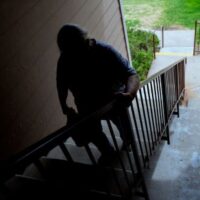
Think about the last time you walked through a dim parking garage or climbed an unlit staircase. Your eyes adjusted, and you trusted the surface beneath your feet. When that trust fails, the consequences can be serious, from broken bones to head trauma. When inadequate lighting creates an unreasonable risk of injury, California law may hold a property owner responsible.
Lighting Is Part of Keeping Property Safe
Under California Civil Code section 1714(a), property owners and managers generally must use ordinary care in the management of their property. That duty is not limited to wet floors and broken steps. A burned-out fixture, a missing light, or a poorly illuminated walkway can make an existing hazard difficult to see. Places where inadequate lighting often plays a role include:
- Parking lots and parking structures
- Stairwells and exterior steps
- Apartment and condo common areas
- Building entrances, exits, and walkways
- Loading zones and pathways around businesses
Poor visibility can contribute to trips, falls, and vehicle and pedestrian collisions. In some circumstances, inadequate lighting may also be relevant to a claim involving foreseeable criminal activity, although those cases involve additional legal considerations.
Why Visibility Matters
National crash data shows how much darkness can affect pedestrian safety. The National Highway Traffic Safety Administration reported that 76 percent of pedestrians killed in traffic crashes in 2024 died in crashes occurring in darkness, compared with 20 percent in daylight. Those figures involve public roadways rather than typical private-property accidents, and they do not establish that inadequate lighting caused those fatalities. Still, visibility is an important safety consideration. People can be harder to see, and hazards harder to spot, after sunset. A property owner who knows an area is regularly used at night, such as a restaurant parking lot or an apartment stairwell, should consider whether the lighting and surrounding conditions allow people to use the property reasonably safely.
Proving the Owner Should Have Known
A property owner is not automatically liable simply because an accident happens in a poorly lit area. An injured person generally must establish that the owner failed to exercise reasonable care and that the unsafe condition contributed to the injury.
When a dangerous condition develops over time, the owner may be responsible if they knew or reasonably should have known about it and failed to take appropriate action. If the owner or its employees created the dangerous condition, separate proof that the owner received notice may not be necessary.
Evidence that can help establish negligence includes:
- Maintenance logs and repair requests for burned-out bulbs
- Prior complaints from tenants, customers, or employees
- Earlier accidents or incidents at the same location
- Nighttime photographs showing the lighting conditions
- Surveillance footage and records showing when lighting problems were reported or repaired
Expect the property owner’s insurer to argue that you should have watched your step or that the hazard was visible despite the lighting conditions. In California, being partly at fault may reduce what you recover, but it does not automatically end your claim.
Special Rules for Public Property
If a government entity is responsible, such as a dimly lit city walkway or public parking area, different liability rules and shorter deadlines may apply. California Government Code section 835 governs certain claims involving dangerous conditions of public property. The injured person must establish the applicable statutory requirements, including that the dangerous condition caused the injury.
California Government Code section 911.2 generally requires a personal injury claim against a public entity to be presented within six months of the claim’s accrual. Missing that deadline can jeopardize your ability to pursue compensation, although limited exceptions and procedures for late claims may apply.
Injured in a dark parking lot or stairwell? Start with a conversation. Zavala Law, PC offers free consultations, and we will listen to what happened, look at the evidence, and explain where you stand. Our Ventura premises liability lawyers are only a phone call away at 805-429-4292.
