

 En Español
Your Car Was Taking Notes: How Black Box Data Can Help Prove Fault in a Ventura Car Accident
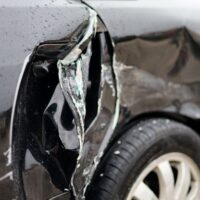
After a crash on US-101 or Victoria Avenue, the story often comes down to two drivers with two different accounts. One says the other was speeding. The other insists they had the green light. With no neutral witness, it can feel like a stalemate. But in many modern collisions, the vehicles themselves may have recorded part of what happened.
What a Vehicle Black Box Actually Records
Most newer cars carry an event data recorder, commonly called a black box. Depending on the vehicle and its equipment, an EDR may capture speed, accelerator use, whether the brakes were applied, the driver’s seat belt buckle status, and other information surrounding a crash. Some vehicles also record steering inputs.
The National Highway Traffic Safety Administration estimated that about 99.5 percent of model year 2021 passenger cars and other qualifying light vehicles had EDRs. However, having a recorder does not guarantee that a particular collision produced retrievable data.
In a fault dispute, available data can help answer questions like these:
- Were the brakes applied before impact?
- How fast was the vehicle traveling in the recorded moments before the collision?
- Were steering inputs recorded that could indicate an avoidance maneuver?
- Was the driver’s seat belt recorded as buckled?
The available information varies by make, model, year, and crash circumstances. A standard EDR does not tell investigators what color the traffic light was or provide a video of the collision.
Getting to the Data Is Not Automatic
Here is where it gets tricky. California Vehicle Code section 9951(c) generally restricts downloading or retrieving covered data by anyone other than the registered owner unless an exception applies. Those exceptions include the registered owner’s consent and an order from a court with jurisdiction. The statute also provides exceptions for certain safety research and vehicle diagnostic, servicing, or repair activities. Other applicable laws may impose additional requirements.
In practical terms, access may require cooperation from the owner or formal legal procedures. An attorney can request preservation, seek an authorized inspection and download, and pursue relevant reports through discovery when appropriate.
Time is also a factor. Vehicles get repaired, sold, dismantled, or sent to salvage. Depending on the system and type of recorded event, some data may be overwritten, while other crash records are locked against overwriting. A prompt written preservation request, followed by appropriate inspection arrangements or court action when necessary, can help protect this evidence. A preservation letter alone does not guarantee that the vehicle or data will remain available.
One Piece of a Larger Puzzle
Black box data can be valuable, but it does not automatically establish fault. It should be evaluated alongside photographs, witness accounts, available surveillance or traffic camera footage, physical evidence, and the police report.
Qualified experts can help explain what the numbers mean and identify limitations, including whether the recorded event corresponds to the collision being investigated. The data may support or challenge either driver’s account, which makes careful preservation and objective analysis important.
Wondering whether black box data could help clarify who caused your crash? Tell us what happened. Call Zavala Law, PC at 805-429-4292, and our Ventura car accident lawyers can help you determine what evidence may exist, who controls it, and what steps may be needed to protect it. Your consultation is free, and we are ready to move quickly.
Source:
govinfo.gov/content/pkg/FR-2024-12-18/pdf/2024-29862.pdf
