
 En Español
Common Injuries from T-Bone Accidents at Ventura Intersections
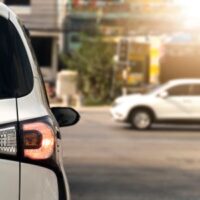
T-bone accidents, also called side-impact or broadside collisions, are among the most dangerous types of crashes that occur at Ventura intersections. Because most vehicles have far less protective structure on their sides than on their front or rear, the force of a side-impact collision often transfers directly to the people inside the struck vehicle. Understanding why these accidents cause such serious harm can help Ventura drivers recognize the importance of protecting their legal rights after a crash.
Why T-Bone Accidents Happen So Often at Intersections
Many T-bone accidents occur when a driver fails to yield the right of way, runs a red light, or misjudges the timing of a turn. Under California Vehicle Code Section 21800, drivers approaching an intersection without functioning signals must yield to vehicles that arrived first or that are approaching from the right. When a driver disregards these rules, whether through distraction, speeding, or simply failing to look, a broadside collision can happen in an instant.
Ventura intersections along busy corridors often see heavy cross traffic, making the timing between vehicles critical. A momentary lapse in attention can be enough to cause a serious crash.
Why These Crashes Cause Such Serious Injuries
Because the sides of most vehicles offer limited crumple zones and padding compared to the front or rear, occupants involved in a T-bone accident often absorb a significant portion of the impact directly. Common injuries include:
- Traumatic brain injuries caused by the head striking a window, door, or interior surface
- Spinal cord injuries and herniated discs from the sudden lateral force
- Broken ribs, pelvic fractures, and internal organ damage
- Shoulder and arm injuries from the door intruding into the passenger compartment
- Whiplash and other soft tissue injuries
The severity of these injuries often depends on where the striking vehicle made contact, the speed of both vehicles, and whether the struck vehicle had side airbags or reinforced door panels.
Determining Fault After a T-Bone Accident
Establishing liability in a T-bone accident often requires a careful review of traffic signals, right-of-way rules, witness accounts, and physical evidence from the crash scene. In some cases, both drivers may dispute who had the right of way, making a thorough investigation essential to building a strong claim.
What to Do After a T-Bone Accident in Ventura
If you are involved in a broadside collision, seeking prompt medical attention is critical, even if your injuries are not immediately obvious. Documenting the scene, obtaining a police report, and preserving any available surveillance or dash camera footage can also help support a future claim.
Every T-bone accident case is different, and the compensation available may depend on the severity of your injuries, your medical treatment, and the degree of fault assigned to each driver under California’s comparative negligence rules.
If you were injured in a T-bone accident at a Ventura intersection, the experienced Ventura car accident lawyers at Zavala Law, PC are here to help. We understand the serious physical, emotional, and financial toll that a broadside collision can cause, and we are committed to fighting for the compensation Ventura accident victims deserve. Contact Zavala Law, PC today to speak with an experienced Ventura car accident lawyer about your case.
Source:
leginfo.legislature.ca.gov/faces/codes_displaySection.xhtml?sectionNum=21800.&lawCode=VEH -e
