
Tractor and Farm Vehicle Accidents on Ventura County’s Rural Roads
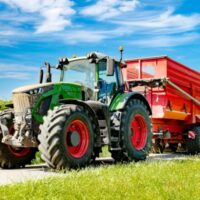
A tractor moving slowly between fields. A produce truck pulling onto the road from a ranch entrance. A line of drivers waiting for an opportunity to pass. On Ventura County’s agricultural roads, everyday traffic shares space with vehicles that move, turn, and stop very differently from passenger cars.
Agriculture is a major part of the local economy. Ventura County’s 2025 Crop and Livestock Report recorded approximately $2.4 billion in gross agricultural value, with strawberries remaining the county’s leading crop. That activity involves moving equipment, workers, and harvested produce throughout the region.
When a collision involves a tractor, farm labor van, or produce truck, determining responsibility requires looking beyond which vehicles made contact. Vehicle speed, visibility, turning movements, passing decisions, and the businesses involved can all matter.
Why Farm Traffic Can Create Dangerous Road Conditions
Drivers traveling through agricultural areas around Santa Paula, Fillmore, Camarillo, and Oxnard may encounter:
- Slow-moving equipment. A driver approaching from behind may misjudge how quickly the distance to a tractor is closing.
- Wide machinery and attachments. Equipment can occupy substantial roadway space and limit the view of traffic ahead.
- Vehicles entering from fields. Tractors and loaded trucks may need considerable time and space to enter the road or complete a turn.
- Farmworker transportation. Buses and vans may enter or leave agricultural properties during early morning hours, when visibility is limited.
- Mud and debris. Material tracked or dropped onto pavement can create traction problems, particularly when the road is wet.
These conditions require attention from everyone using the road. A slow tractor does not automatically mean its operator is negligent, and a driver’s frustration does not make a dangerous passing maneuver reasonable.
When Must a Slow-Moving Tractor Pull Over?
California Vehicle Code section 21656 addresses a specific situation. The turnout requirement applies when:
- The vehicle is traveling on a two-lane highway.
- Passing is unsafe because of opposing traffic or other conditions.
- The vehicle is traveling below the normal speed of traffic moving in the same direction.
- Five or more vehicles have formed a line behind it.
When those conditions exist, the driver must leave the roadway at the nearest designated turnout or another location with enough space for a safe turnout so following traffic can proceed. The rule applies to qualifying slow-moving vehicles generally, including tractors.
The availability of a safe place to pull over matters. A narrow shoulder, drainage ditch, or soft roadside surface may not provide enough room for agricultural equipment.
A failure to use an available turnout when required may support a negligence claim if it contributed to the collision. It does not automatically establish responsibility for every crash that happens behind the vehicle.
Drivers Must Pass Safely and Yield When Entering the Road
Drivers approaching farm equipment must account for the road, traffic, and available visibility. Tailgating or attempting to pass near a blind curve can turn a delay into a serious collision. Before passing, a driver needs a lawful passing opportunity and enough clear roadway to complete the maneuver safely.
Farm vehicle operators also have responsibilities when entering traffic. Under California Vehicle Code section 21804, a driver entering or crossing a highway from public or private property must yield to approaching traffic close enough to present an immediate hazard and wait until proceeding is reasonably safe. Once the entering driver has properly yielded and begun proceeding, approaching drivers also have a duty to yield as the statute provides.
In a collision involving a field entrance, the investigation may focus on sight distance, approaching vehicle speeds, and how much time the tractor or truck needed to enter the roadway.
Who May Be Responsible for a Farm Vehicle Accident?
Depending on the evidence, responsibility may extend to more than one person or business.
The driver or equipment operator. Unsafe turns, failure to yield, distracted driving, or other negligent conduct may contribute to a collision.
An employer. A grower, farm labor contractor, or trucking company may be responsible for an employee’s negligent driving within the scope of employment. Identifying the actual employer and the purpose of the trip can be important.
Another motorist. A driver who attempts an unsafe pass, follows too closely, or otherwise contributes to the collision may share responsibility.
A public entity. A dangerous condition of a public road may support a claim if the requirements of California Government Code section 835 are satisfied. Those requirements include causation and, generally, either negligent creation of the condition by a public employee or sufficient prior notice to the public entity. A crash occurring on a public road does not, by itself, establish government liability.
California’s comparative fault rules allow responsibility to be shared. An injured person’s compensation may be reduced by their own percentage of fault, but being partly responsible does not automatically eliminate a claim.
Evidence That Can Help Explain What Happened
The position of the vehicles after a collision tells only part of the story. Useful evidence may include:
- Photographs of the vehicles, machinery attachments, roadway, field entrance, and nearby turnouts.
- Dashcam footage or surveillance video from surrounding properties.
- Witness accounts describing the line of traffic, passing attempts, signals, and vehicle movements.
- Measurements of sight distance, lane width, and available shoulder space.
- Vehicle inspection, maintenance, dispatch, and employment records.
- Available electronic vehicle data and medical records documenting the injuries.
After a crash, seek necessary medical care and report the collision to law enforcement. Preserve photographs, witness contact information, and any recordings you already have. Document the scene only when it is safe to do so.
Prompt investigation matters because vehicles may be repaired, equipment may return to service, and recordings may be overwritten.
Deadlines for Filing a Farm Vehicle Injury Claim
Most California personal injury lawsuits must be filed within two years of the injury under Code of Civil Procedure section 335.1, subject to exceptions.
Claims involving a public entity require particular attention. Government Code section 911.2 generally requires presenting a personal injury claim to the appropriate public entity within six months after the claim accrues. Separate deadlines govern filing a lawsuit after the claim process. Reporting the accident or communicating with an insurer does not substitute for meeting these requirements.
Talk With a Ventura County Car Accident Attorney
A collision involving farm equipment or an agricultural business can leave you facing medical bills, time away from work, and questions about which insurance coverage applies.
At Zavala Law, PC, we help injured people investigate the circumstances of a collision, identify potentially responsible parties, and understand their legal options. Our Ventura car accident lawyers at Zavala Law, PC can review an accident involving a tractor, farm labor vehicle, or produce truck and explain the next steps.
Call 805-429-4292 for a free consultation and an honest assessment of your case.
Sources:
news.venturacounty.gov/en/county-of-ventura-reports-2-4-billion-in-agricultural-value-in-2025-crop-and-livestock-report/
leginfo.legislature.ca.gov/faces/codes_displaySection.xhtml?lawCode=VEH§ionNum=21656
